
Preventive Dentistry
At Aberdeen Dental Centre, we believe that prevention is the key to maintaining optimal oral health. Our comprehensive preventive dentistry services are designed to help you avoid dental problems before they occur, helping ensure a healthy smile for life. As a preferred provider of health funds, we make it easy for you to access high-quality preventive care.
The Importance of Preventive Dentistry
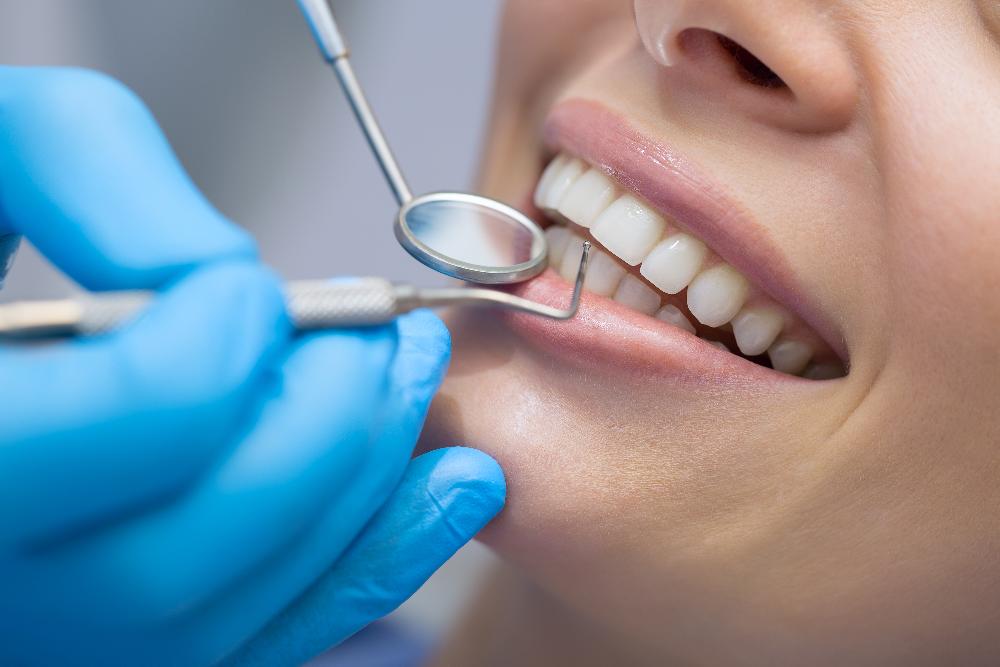
Preventive dentistry focuses on maintaining good oral hygiene and receiving regular dental check-ups to prevent dental issues such as cavities, gum disease and tooth decay. Early detection and intervention can save you from more extensive and costly treatments down the line.
Our Preventive Dentistry Services
Our team at Aberdeen Dental Centre offers a wide range of preventive dental services to keep your teeth and gums healthy:
- Comprehensive Dental Exams — Regular check-ups to assess your overall oral health and identify any potential issues early.
- Professional Cleanings — Thorough cleanings to remove plaque and tartar, preventing tooth decay and gum disease.
- Fluoride Treatments — Strengthening your teeth and preventing cavities with safe fluoride applications.
- Dental Sealants — Applying protective coatings to the chewing surfaces of molars to prevent decay.
- Oral Cancer Screenings — Early detection of oral cancer through routine screenings during your dental visits.
- X-rays — Low-radiation digital x-rays to monitor your dental health and detect issues that are not visible to the naked eye.
- Oral appliances, splints, and mouthguards — These appliances protect your teeth and oral health from sports injuries, teeth grinding and clenching, and sleep apnoea.
Benefits of Preventive Dentistry
- Cost-Effective — Preventive care helps avoid more complex and expensive dental treatments.
- Early Detection — Identifying dental issues early allows for less invasive and more effective treatment.
- Improved Oral Health — Regular check-ups and cleanings keep your teeth and gums in optimal condition.
- Education — Learning proper oral hygiene techniques and receiving personalised advice for maintaining a healthy smile.
Tips for Maintaining Oral Health at Home
Preventive dentistry extends beyond the dental clinic. Here are some tips to help you maintain good oral health at home:
- Brush Twice a Day — Use fluoride toothpaste and brush for at least two minutes.
- Floss Daily — Clean between your teeth to remove plaque and food particles.
- Balanced Diet — Eat a diet rich in fruits, vegetables, and whole grains while limiting sugary snacks and drinks.
- Regular Dental Visits — Book check-ups and cleanings every six months to monitor and maintain your oral health.
Preferred Provider of Health Funds 
At Aberdeen Dental Centre, we are pleased to be a preferred provider of health funds. This ensures that you receive the highest-quality care with maximum convenience and affordability. We work with a variety of health funds to help you make the most of your dental benefits.
Contact Us for Preventive Dentistry in Albany, WA
Preventive dentistry is essential for a lifetime of healthy smiles. If you have any questions or want to book an appointment, please contact Aberdeen Dental Centre. Our friendly and professional team is here to provide you with the best preventive care in Albany, WA.
We look forward to helping you achieve and maintain optimal oral health.

Frequently Asked Questions
What is a dental mouthguard?
A dental mouthguard is a protective device that covers your teeth and gums to prevent injury during sports activities or to protect against nighttime teeth grinding. It creates a barrier that distributes force from impacts and helps prevent damage to your teeth, jaw, and soft tissues.
What types of mouthguards are available?
There are three main types:
- Custom-fitted mouthguards (made by dental professionals)
- Boil-and-bite mouthguards (available at sporting goods stores)
- Stock mouthguards (ready-to-wear)
How do I know which type of mouthguard is right for me?
The best choice depends on your specific needs:
- For sports: Custom-fitted mouthguards offer the best protection
- For occasional use: Boil-and-bite mouthguards can be sufficient
- For children's growing mouths: Replaceable boil-and-bite options are cost-effective
- For teeth grinding: Custom-fitted night guards are recommended
Cost and Insurance
How much do mouthguards cost?
- Prices vary by type:
- Custom-fitted: $200-$500
- Boil-and-bite: $20-$50
- Stock mouthguards: $10-$30
Does insurance cover mouthguards?
Many dental insurance plans cover custom mouthguards. Most dental Insurance provides free of cost Mouthgaurds every year as its totally covered by the Health Funds(HBF, HCF, Medibank and BUPA). Check with your insurance provider for specific details. (subject to your annual limits and any waiting periods)
How do I clean my mouthguard?
Follow these steps:
- Rinse with cool water after each use
- Clean with mild soap and a soft toothbrush
- Store in a ventilated case
- Avoid hot water (it can warp the material)
- Keep away from direct sunlight
Can I wear a mouthguard with braces?
Yes! In fact, it's especially important to wear a mouthguard if you have braces. Your dentist or orthodontist can recommend a specific type that works with your orthodontic appliances.
Which sports require mouthguards?
Mouthguards are mandatory for:
- Football
- Hockey
- Boxing
- Wrestling
- And strongly recommended for:
- Basketball
- Soccer
- Skateboarding
- Martial Arts
What injuries do mouthguards prevent?
Mouthguards help prevent:
- Knocked-out teeth
- Broken teeth
- Cut lips
- Jaw injuries
- Tongue injuries
- Concussions (to some degree)
At what age should children start wearing mouthguards?
Children should start wearing mouthguards as soon as they begin participating in any contact sports or activities with a risk of facial injury, typically around age 7-8.
How often should children replace their mouthguards?
Children should replace their mouthguards:
- Every 6 months due to jaw growth
- When teeth fall out or new ones grow in
- If the mouthguard shows signs of wear talk to your doctors
- At the beginning of each new sports season
What is oral cancer?
Oral cancer is a type of cancer that develops in the tissues of the mouth or throat. It can occur on the lips, tongue, gums, floor of the mouth, roof of the mouth, and inside the cheeks.
What are the most common symptoms of oral cancer?
Persistent mouth sores that don't heal within two weeks
Red or white patches in the mouth
Unexplained bleeding in the mouth
Lumps, thickening, or rough spots in the mouth
Difficulty or pain when swallowing
Persistent ear pain
Numbness or pain in any area of the mouth
Swelling or changes in the jaw
Dramatic weight loss
Who is at highest risk for oral cancer?
Tobacco users (smokers and smokeless tobacco users)
Heavy alcohol consumers
People over 40 years old
Individuals with HPV (human papillomavirus)
Those with a history of prolonged sun exposure
People with a weakened immune system
Individuals with a previous oral cancer diagnosis
How often should I get screened for oral cancer?
Dental professionals typically recommend:
Annual oral cancer screenings for adults over 40
More frequent screenings for high-risk individuals
Screenings during routine dental check-ups
What does an oral cancer screening involve?
A typical screening includes:
Visual examination of the mouth, lips, and throat
Physical palpation of the jaw and neck to check for lumps
Using special lights or dyes to highlight abnormal cells
Checking for restricted movement of the tongue or jaw
Can oral cancer be prevented?
Prevention strategies include:
Avoiding tobacco in all forms
Limiting alcohol consumption
Maintaining good oral hygiene
Eating a balanced diet rich in fruits and vegetables
Protecting lips from excessive sun exposure
Getting vaccinated against HPV
Regular dental check-ups
How is oral cancer diagnosed?
Initial visual and physical examination
Brush biopsy or tissue sample
Imaging tests like CT scans or MRIs
Referral to a specialist for comprehensive diagnosis
Are there any warning signs I should be particularly alert to?
Immediate dental consultation is recommended if you experience:
A sore that doesn't heal within two weeks
Persistent throat pain
Difficulty moving the jaw or tongue
Unexplained numbness in the mouth
A lump or thickening in the cheek
Remember, while dentists can perform initial screenings and provide valuable information, a definitive diagnosis requires specialized medical evaluation. If you have concerns, always consult with healthcare professionals for personalized medical advice.
More specialized medical evaluation with healthcare professionals information and details can be found at Fiona Stanley Hospital, Medical Oncology and PCH.
What is preventive dentistry?
Preventive dentistry focuses on maintaining good oral health to prevent dental problems before they occur. It includes regular cleanings, exams, fluoride treatments, sealants, and patient education about proper oral hygiene. The goal is to prevent cavities, gum disease, and other oral health issues rather than treating them after they develop.
What preventive services do you offer?
We provide comprehensive preventive care including routine dental cleanings, oral exams, digital X-rays, fluoride treatments, dental sealants, oral cancer screenings, gum disease prevention, bite analysis, and personalized oral hygiene instruction. We also offer custom mouthguards for sports and night guards for teeth grinding.
How do dental sealants work and who needs them?
Dental sealants are thin, protective coatings applied to the chewing surfaces of back teeth where cavities commonly form. They're especially beneficial for children and teenagers, though adults with deep grooves in their teeth can also benefit. Sealants can prevent up to 80% of cavities in treated teeth for several years.
What is fluoride treatment and is it necessary?
Fluoride treatment involves applying concentrated fluoride to teeth to strengthen enamel and prevent decay. It's particularly beneficial for children, adults at high risk for cavities, those with dry mouth, or patients with a history of frequent cavities. Professional fluoride treatments are much stronger and very good quality.
How effective is preventive dentistry?
Preventive dentistry is highly effective when combined with good home care. Regular cleanings and checkups can prevent most dental problems and catch issues early when they're easier and less expensive to treat. Studies show that preventive care can reduce the need for major dental work by up to 60%.
What's included in a routine dental cleaning?
A professional cleaning includes removing plaque and tartar buildup above and below the gum line, polishing teeth to remove surface stains, flossing, and applying fluoride if needed. We also perform an oral exam to check for cavities, gum disease, oral cancer, and other potential issues.
Talk to your dentist at Aberdeen Dental Centre about gentle and friendly dental care in Albany, WA
How often should I get professional Dental cleanings?
Most patients benefit from cleanings every six months, but frequency depends on your individual risk factors. Patients with gum disease, diabetes, a history of frequent cavities, or poor oral hygiene may need cleanings every 3-4 months. We'll recommend the best schedule for your specific needs.
Can preventive dentistry help with bad breath?
Yes, professional cleanings remove bacteria, plaque, and tartar that commonly cause bad breath. We can also identify underlying issues like gum disease or dry mouth that contribute to halitosis and provide appropriate treatment recommendations.
What preventive care do you recommend for children?
For children, we recommend regular checkups starting by age one, fluoride treatments, dental sealants on permanent molars, proper brushing and flossing instruction, dietary counseling to limit sugary snacks and drinks, and custom mouthguards for sports activities.
Is preventive dentistry covered by insurance?
Most dental insurance plans cover preventive services at 100%, including routine cleanings, exams, and X-rays. Fluoride treatments are typically covered for children and sometimes for high-risk adults. Sealants are usually covered for children. We'll verify your specific benefits and maximize your preventive coverage.
Can vaping cause the same oral health problems as smoking?
Yes, vaping can cause many similar issues including gum disease, dry mouth, and potentially oral cancer, though long-term research is still ongoing.
How much does smoking increase my risk of losing teeth?
Smokers are 2-3 times more likely to lose teeth compared to non-smokers, with heavy smokers facing even higher risks.
Will my teeth whiten naturally after I quit smoking?
Some surface stains may fade, but professional whitening treatment is usually needed for significant improvement.
Can I still get dental implants if I smoke?
While possible, dental implants have higher failure rates in smokers. Many dentists recommend quitting smoking before implant surgery.
How often should smokers see the dentist?
Smokers should typically see their dentist every 3-4 months for cleanings and checkups, rather than the standard 6-month intervals.
Take Action: Your Next Steps to Better Oral Health
The damage smoking causes to your oral health is serious, but it's not irreversible. Whether you're ready to quit smoking or just want to minimize damage while you work toward that goal, taking action now can save your teeth, gums, and potentially your life.
Meet Our Dentist:
Dr Hayden Jones
Dentist
Hayden is passionate about creating dentures and finds the most rewarding part of dentistry is witnessing a patient's first smile with their new teeth. Hayden is deeply committed to continuous learning in this field and strives to ensure patients feel comfortable during their visits.
Originally from the Perth Hills area, Hayden moved to the city to complete a Bachelor of Biomedical Science at Murdoch University and a Doctor of Dental Medicine at The University of Western Australia.
In his free time, Hayden enjoys weekend hikes and exploring Albany's natural beauty. He indulges ...
Featured Blog Posts - Preventive Dentistry
How Smoking Destroys Your Oral Health
How Smoking Destroys Your Oral Health: The Complete Guide to Tobacco's Impact on Your Teeth and Gums
How Does Smoking Affect Your Mouth?
Gum Disease and Smoking: The Deadly Connection
Smoking and Oral Cancer Risk
Cosmetic Effects: Stained Teeth and Bad Breath
How Long After Quitting Does Oral Health Improve?
Sleep Apnoea: Understanding, Diagnosis, and Treatment Options
Comprehensive guide to sleep apnoea: Learn about symptoms, diagnosis, treatment options, and how your dentist can help. Expert advice for better sleep and health
Sleep Apnoea: Signs, Symptoms, and Treatment Options You Should Know
Are you constantly tired despite getting a full night's sleep? Do you wake up with ...
Mouth Guard and Splints
Dental Splints and Mouthguards: Protecting Your Smile While You Sleep and Play
Dental Splints and Mouthguards: Your Complete Guide to Oral Protection
Are you waking up with jaw pain or concerned about protecting your teeth during sports? Dental splints and mouthguards might be exactly what you need. In ...