
Periodontal Treatment
Healthy Gums, Healthy Smile

Our Albany dentists are here to help you protect your gums and manage gum disease with personalised periodontal care.

PERIODONTAL TREATMENT Albany
Do You Have Swollen or Tender Gum Tissue?
Contact Us

Periodontal Treatment

Maintaining healthy gums is essential for overall oral health. At Aberdeen Dental Centre, we offer comprehensive periodontal care to prevent, diagnose and treat gum disease. Our experienced team is committed to helping you achieve and maintain optimal gum health through personalised treatment plans and education. 

What Is Gum Disease?Gum Disease Albany
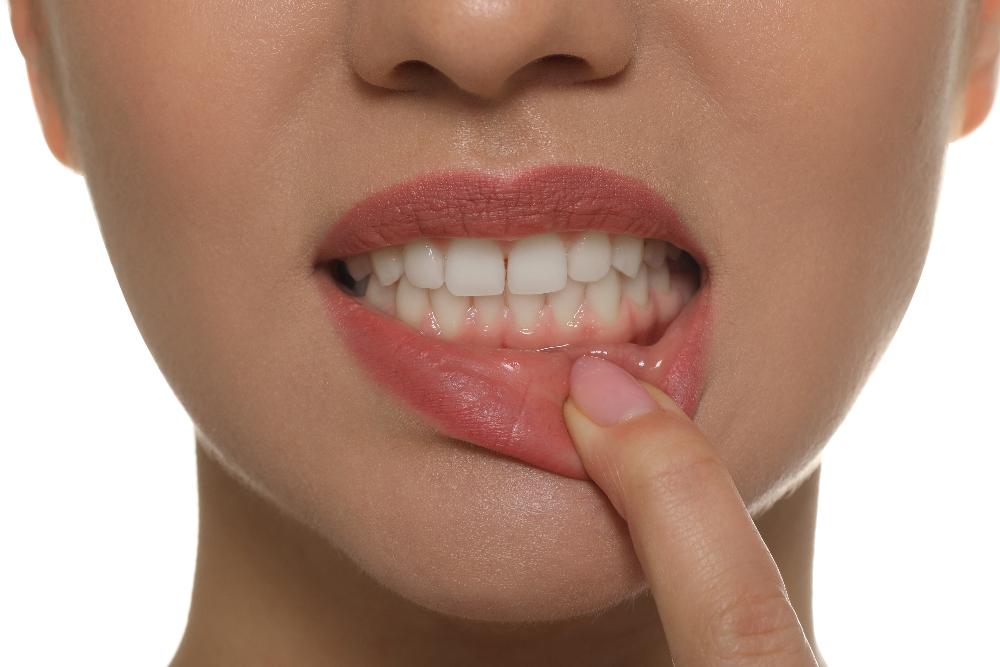
Gum disease, also known as periodontal disease, is an infection of the gums and supporting structures of the teeth. It progresses in stages:

  • Gingivitis — The earliest stage, characterised by red, swollen gums that may bleed during brushing or flossing. Gingivitis is reversible with proper care.
  • Periodontitis — If left untreated, gingivitis can progress to periodontitis. This stage involves the formation of pockets between the teeth and gums, leading to bone loss and potential tooth loss.
  • Advanced Periodontitis — The most severe stage, where significant bone loss occurs, teeth may become loose, and there is a risk of tooth loss.

Signs of Gum Disease

It's important to recognise the signs of gum disease and seek prompt treatment:

  • Bleeding Gums — Gums that bleed easily, especially during brushing or flossing
  • Red, Swollen Gums — Inflammation and redness of the gums
  • Persistent Bad Breath — Chronic bad breath that doesn't go away with brushing or mouthwash
  • Receding Gums — Gums that are pulling away from the teeth, making teeth appear longer
  • Loose Teeth — Teeth that feel loose or shifting
  • Painful Chewing — Discomfort or pain while chewing

Our Periodontal Care Services

At Aberdeen Dental Centre, we offer a range of periodontal care services to address all stages of gum disease:

  • Professional Cleanings — Regular cleanings to remove plaque and tartar, preventing the onset of gum disease
  • Scaling and Root Planing — Deep cleaning procedures to remove plaque and tartar from below the gumline and smooth the tooth roots, promoting healing
  • Antibiotic Therapy — Localised antibiotics to treat bacterial infections in the gums
  • Periodontal Surgery — Advanced treatments for severe cases, including pocket reduction surgery and gum grafts
  • Maintenance Programs — Ongoing care plans tailored to your needs, ensuring long-term gum health

Benefits of Periodontal Care

  • Prevent Tooth Loss — Effective treatment can help save teeth affected by gum disease.
  • Improve Overall Health — Healthy gums contribute to overall health, reducing the risk of conditions like heart disease and diabetes.
  • Enhance Smile Aesthetics — Treating gum disease can improve the appearance of your smile by reducing swelling and bleeding.
  • Reduce Discomfort — Proper care alleviates pain and discomfort associated with gum disease.

Tips for Healthy Gums

Maintaining good oral hygiene is key to preventing gum disease: Albany Gum Disease treatment

  • Brush Twice Daily — Use a soft-bristled toothbrush and fluoride toothpaste.
  • Floss Daily — Clean between your teeth to remove plaque and food particles.
  • Regular Dental Visits — Book check-ups and professional cleanings every six months.
  • Healthy Diet — Eat a balanced diet and limit sugary snacks and drinks.
  • Avoid Tobacco — Smoking and tobacco use increase the risk of gum disease.

Looking for Periodontal Care in Albany, WA?

If you notice any signs of gum disease or are due for a dental check-up, we invite you to contact Aberdeen Dental Centre. Our team is here to provide periodontal care and help you achieve your best smile. We look forward to welcoming you to our dental practice in Albany, WA.

Frequently Asked Questions

Treatment Options

Q: What happens during a professional cleaning?

A professional cleaning includes:

Removal of plaque and tartar (scaling)
Cleaning between teeth and below the gumline
Polishing to remove stains
Fluoride treatment (if recommended)
Examination of gum health and pocket depth measurement


Q: What is scaling and root planing?

This deep-cleaning procedure removes plaque and tartar from both above and below the gumline, down to the bottom of the pocket. The root surfaces of the teeth are then smoothed (planed) to remove infected tooth structure and biofilm.


Q: How often should I get my gums checked?

Most people should have their gums checked during regular dental visits every six months. However, if you have a history of gum disease or other risk factors, your dentist might recommend more frequent check-ups.


Lifestyle and Gum Health

Q: Does diet affect gum health?

Yes. A balanced diet rich in vitamins C and D, along with minerals like calcium and phosphate, helps maintain healthy gums. Foods that are high in sugar or simple carbohydrates can promote bacterial growth and inflammation.


Q: How does smoking affect gum health?

Smoking is one of the most significant risk factors for gum disease. It:

Weakens your immune system
Makes it harder for gums to heal
Masks symptoms of gum disease (reduces bleeding)
Increases risk of treatment failure
Leads to more severe gum disease


Q: Can stress impact my gum health?

Yes. Stress can:

Weaken your immune system
Lead to teeth grinding
Make you more likely to neglect oral hygiene
Increase inflammation in your body
Affect hormonal balance


Cost and Insurance

Q: Does insurance cover gum treatments?

Most dental insurance plans cover preventive care and basic gum treatments. Coverage for advanced procedures varies by plan. Our office staff can help verify your coverage and discuss payment options.


Q: What's the cost of ignoring gum health?

Neglecting gum health can lead to:

More extensive and expensive treatments later
Tooth loss and need for replacements
Potential systemic health issues
Cosmetic concerns
Chronic bad breath
Pain and discomfort


Emergency Situations

Q: When should I seek immediate dental care for my gums?

Seek immediate care if you experience:

Severe gum pain
Significant bleeding that won't stop
Sudden swelling
Pus between teeth and gums
Loose permanent teeth
Signs of infection (fever, swollen lymph nodes)


Remember: This FAQ is for informational purposes only. Always consult your dental professional for specific advice about your oral health.

Q: What is the difference between healthy and unhealthy gums?

Healthy gums are pink, firm, and fit snugly around your teeth. They don't bleed when brushing or flossing. Unhealthy gums may be red, swollen, tender, or bleed easily. They might also appear to be pulling away from your teeth, creating pockets where bacteria can collect.


Q: How often should my gums bleed?

Never. Bleeding gums are not normal and are usually the first sign of gingivitis (early gum disease). If your gums bleed when brushing or flossing, schedule an appointment with your dentist for an evaluation.


Q: Can gum disease be reversed?

Early gum disease (gingivitis) can be reversed with proper oral hygiene and professional cleaning. However, advanced gum disease (periodontitis) cannot be reversed, only managed. That's why early detection and treatment are crucial.


Prevention and Care


Q: How can I keep my gums healthy?

Follow these key steps:

Brush twice daily with fluoride toothpaste
Floss at least once daily
Use an antimicrobial mouthwash
Visit your dentist regularly for cleanings
Maintain a healthy diet
Don't smoke or use tobacco products


Q: What's the proper way to floss for gum health?

Use about 18 inches of floss
Wind most around one middle finger, the rest around the other middle finger
Hold floss tightly between thumbs and forefingers
Gently guide floss between teeth using a rubbing motion
Curve the floss into a C-shape around each tooth
Slide up and down against the tooth surface and under the gumline


Q: Should I use an electric or manual toothbrush?

Both can be effective when used properly. Electric toothbrushes can make it easier to remove plaque and may be particularly helpful for people with limited mobility. The most important factor is using proper technique and brushing for two minutes, twice daily.


Symptoms and Concerns

Q: Why do my gums feel sore?

Gum soreness can result from:

Aggressive brushing
New flossing routine
Beginning stages of gum disease
Food particles trapped between teeth
Hormonal changes
Vitamin deficiencies
Ill-fitting dental appliances


Q: What causes receding gums?

Gum recession can be caused by:

Aggressive brushing
Periodontal disease
Genetic predisposition
Misaligned teeth
Grinding or clenching teeth
Tobacco use
Poor oral hygiene


Q: Can receding gums grow back?

No, receded gums don't grow back naturally. However, there are professional treatments available, including gum grafting procedures, that can help restore gum tissue and protect exposed tooth roots.

Check Australian Dental Association (ADA) website https://www.adawa.com.au for information on gum diseases and treatments.

Meet Our Dentist:

Dr Wendy Patak
Dentist

Wendy grew up in the Perth Hills area and graduated from Murdoch University in 2017 with a Bachelor of Science. After travelling across Australia and New Zealand with her husband, she began a Doctor of Dental Medicine at the University of Western Australia in 2020 and graduated in 2023. During her studies, Wendy received the Vice Chancellor's Commendation for Academic Excellence (2016), the BDSc Class of 1979 Prize in Operative Dentistry (2022), and the Eric Williams Prize in Prosthodontics (2022).

Wendy's passion for holistic dental care is evident in her focus ...

Featured Blog Posts - Periodontal Treatment

March 12, 2025

Understanding Periodontal Disease: Your Guide to Gum Health

Perio Pockets

Understanding Periodontal Disease: Causes, Symptoms, and Treatment Options

Periodontal disease, commonly known as gum disease, affects millions of adults worldwide. As dental professionals, we believe that understanding this condition is crucial for maintaining not just your oral health, but your overall wellbeing. Let's explore what periodontal disease is, how to recognize it, and what you can do to prevent and treat it.

What is Periodontal Disease?

Periodontal disease is an infection of the tissues that hold your teeth in place. It typically starts with bacterial growth in your mouth and, if ...

We're Here to Help You Achieve a Healthier Smile!
Contact Us